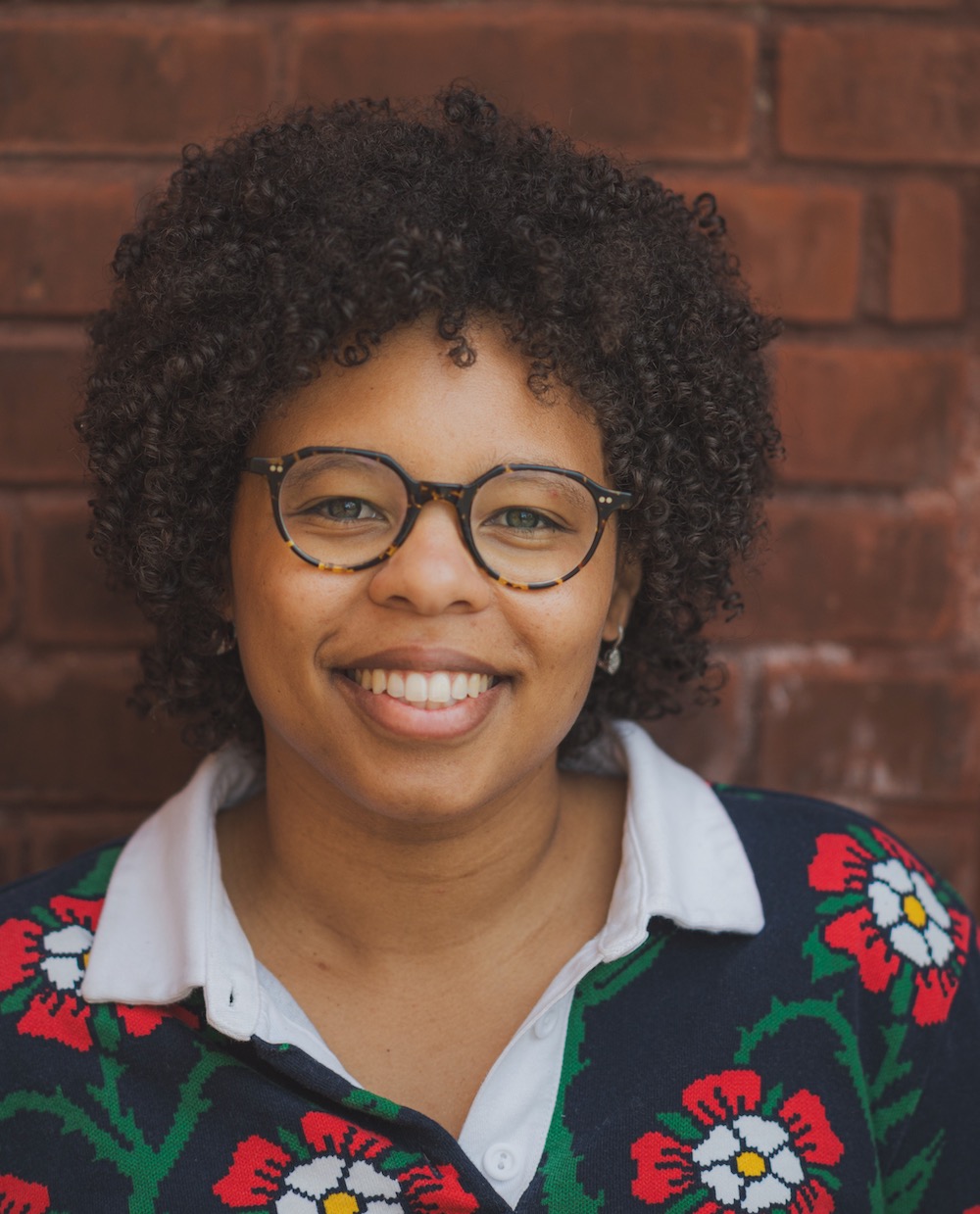
Kela Caldwell
Kela Caldwell (she/her) is a PhD candidate in Geography with a PhD minor in History, focused on 20th century developments of race and citizenship in the United States. Her dissertation project examines Black Women's club organizing and activism around anti-lynching legislation at both the national and local scales and seeks to identify how Black women shaped ideas about race, the law, and the role of the state in preventing violence.
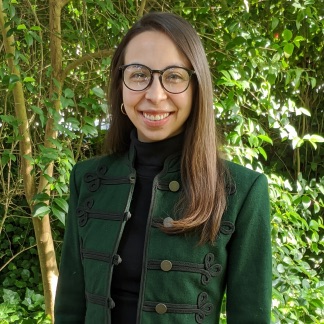
Tara Di Cassio
Tara L. Di Cassio is a Ph.D. Candidate in the Department of Geography and Environment at The University of North Carolina at Chapel Hill. Her dissertation examines Palestinian-authored graffiti/street art in Jordan and the West Bank, exploring how artists use walls as a resource to perform decolonial aesthetic practices. Tara’s research draws on Palestinian Studies and Indigenous and Black Geographic theories and methodologies to understand how these practices assert territorial rights, Indigenous sovereignty, and envision liberatory futures across fragmented geographies. Inspired by the multimodal archiving of this art by Palestinian artists and community members on social media, she is developing an archive of Palestinian-authored graffiti/street art in collaboration with volunteers in Jordan and the West Bank.
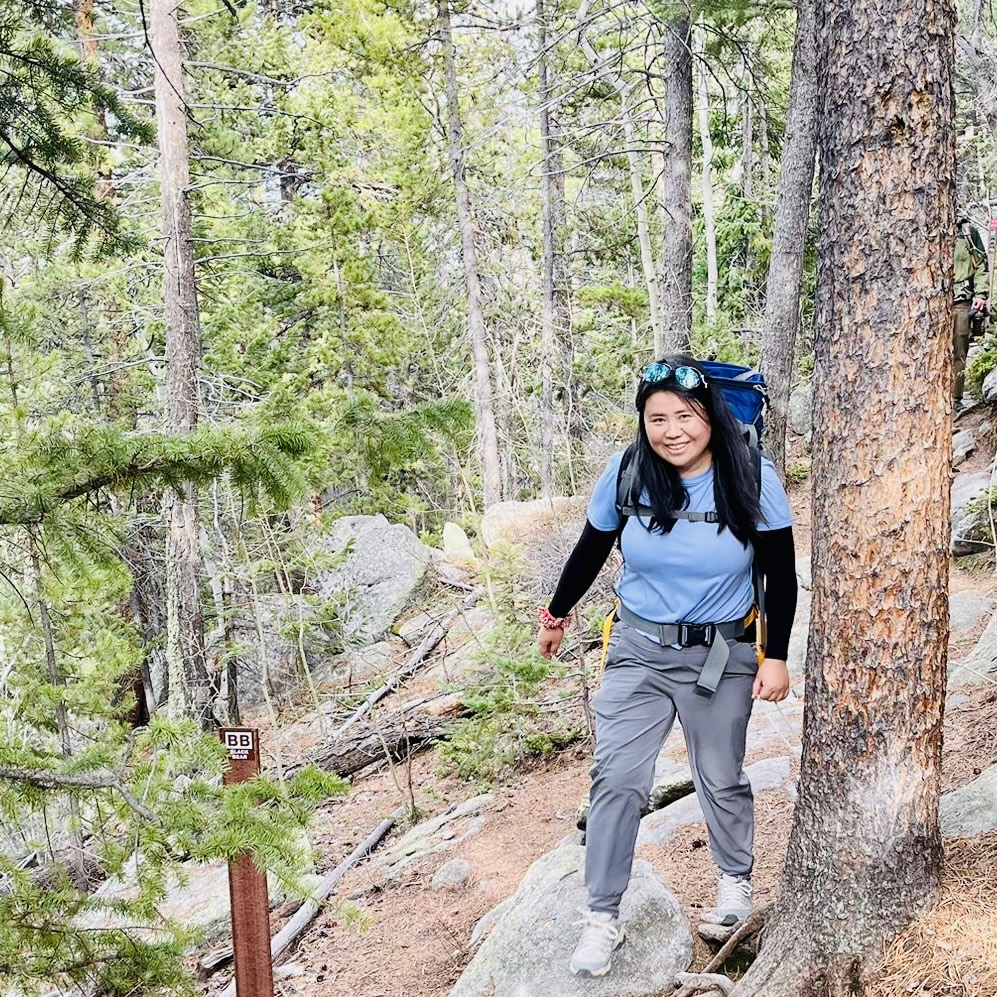
Zhuoma Gadou
Zhuoma Gadou is a PhD student in the Department of Geography at the University of Colorado Boulder. Her dissertation project engages with food geography, political economy, and development geography to understand the impacts of the global food regime on pastoral peoples. Her research centers on the experiences and agency of Tibetan pastoralists in relation to two commodity chains: locally produced yak meat and imported beef. Through this research, she aims to produce socially impactful scholarship that incorporates community engagement activities, prioritizes community input, and creates work that resonates with both academic and public audiences.
Colleen Henegan
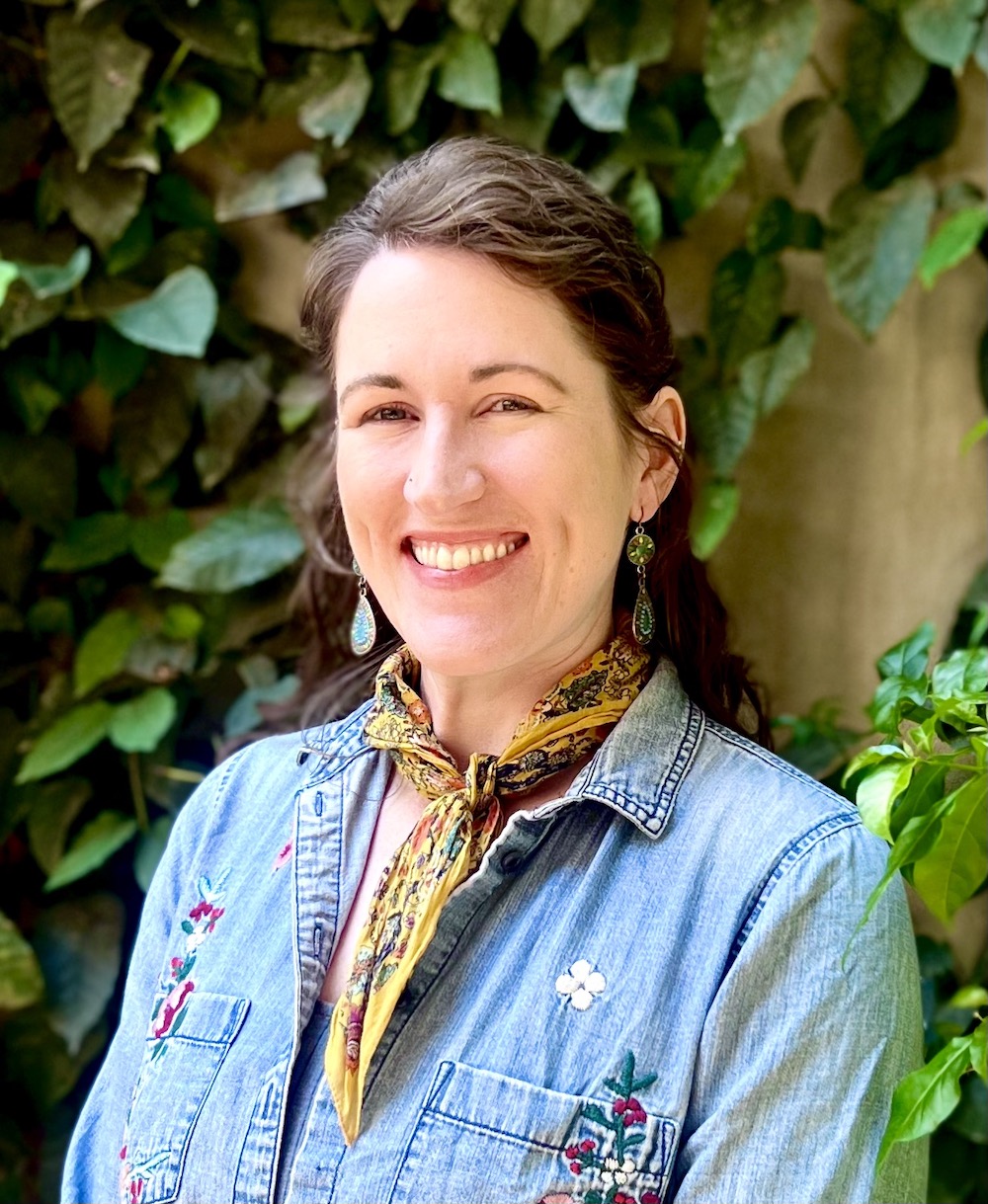
Colleen Henegan at the University of Wisconsin-Madison. Her dissertation integrates predictive climate change models and geospatial analyses with community-based research with farm cooperatives across the Zambia's diverse agroecological regions. More specifically, she seeks to understand (1) how climate change will influence maize and indigenous staple crops - like millet, and sorghum - under future climate scenarios, and (2) how adaptations at multiple scales (local, regional, national) can influence the trajectories of these crops. By mixing methods - specifically machine learning, contextualized grounded theory, community-based research, and land suitability analyses - Colleen hopes to holistically analyze the interdisciplinary challenge of growing food in a changing climate. She aims to provide policy recommendations that are both scientifically accurate and relevant to stakeholders. She works closely with Zambia's Department of Crop Science and the Department of Meteorology to co-develop tools that are useful on multiple scales — from academic research to policy development to local climate change adaptation. She hopes to continue this work after graduation as a university faculty member. In her free time, Colleen enjoys riding along Madison's beautiful bike paths, gardening, hosting dinner parties, and taking long walks with her dog.
Suad Jabr
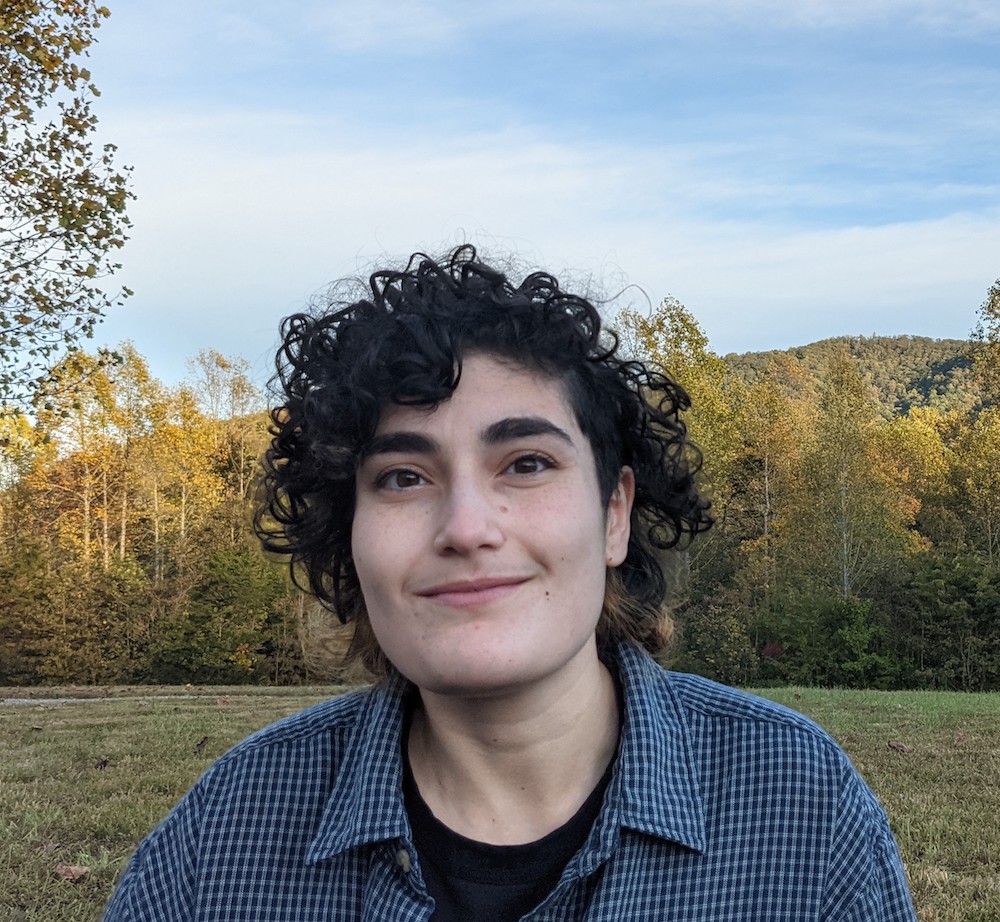
Suad Jabr is a PhD candidate in Geography & Environment at the University of North Carolina at Chapel Hill. Suad’s dissertation examines how queer forced migrants and their supporters navigate a variety of organizations, agencies, and offices to access resources, find community, and make life during and after resettlement in the US South. By positioning resettlement as an active and ongoing political process, Suad’s research studies how LGBTQ+ migration impacts shifting sexual and gender dynamics of the US South. In this work, Suad brings queerness into conversation with migration to imagine new, divergent, and transformative possibilities in political geography and beyond.
Hannah Kass
Hannah Kass is a joint Ph.D. candidate in the Department of Geography and the Nelson Institute for Environmental Studies at the University of Wisconsin-Madison. Her research focuses on the relationship between state repression and enclosure in struggles for food, land, and abolition. She also examines how eco-defenders and abolitionists prefigure alternative life-worlds beyond and against property, resource grabbing, and authoritarian statecraft. Blending autoethnographic research as a criminalized forest defender with state and movement document analysis, her doctoral dissertation explores her research interests in the context of the Stop Cop City/Weelaunee forest struggle: an autonomous and decentralized movement fighting deforestation for the development of a militarized police training facility in DeKalb County, Georgia. Her work has been published in Political Geography, Antipode, Dialogues in Human Geography, The Journal of Peasant Studies, and Agriculture and Human Values. A draft of her article published in Political Geography, “Police statecraft and post-property possibilities in the Weelaunee forest struggle,” was the winner of the 2025 PhD-level Graduate Student Paper Award in the Socialist and Critical Geography Specialty Group of the American Association of Geographers. She was also selected for an Advanced Achievement in Teaching Award from the University of Wisconsin-Madison Graduate School and College of Letters and Science. Outside of her academic work, Hannah is an avid improv comedian, strength athlete, collage artist, and gardener.

Fatemeh Kordi
Fatemeh Kordi is a Ph.D. student in Geography at Clark University, focusing on AI-driven wildfire risk prediction. Her research integrates satellite imagery, weather data, climate, and socioeconomic factors to enhance wildfire risk prediction accuracy in California, one of the most fire-prone regions in the U.S. Using cutting-edge deep learning techniques, such as Graph Convolutional Networks (GCN) and Temporal Convolutional Networks (TCN), Fatemeh’s work captures the spatial and temporal dynamics of wildfires. This hybrid AI model aims to provide real-time, actionable insights for wildfire management, improving decision-making and resilience. Fatemeh’s long-term goal is to contribute to global disaster risk reduction and environmental sustainability efforts, with a focus on leveraging AI for environmental prediction and resilience.
Mansi Kumar
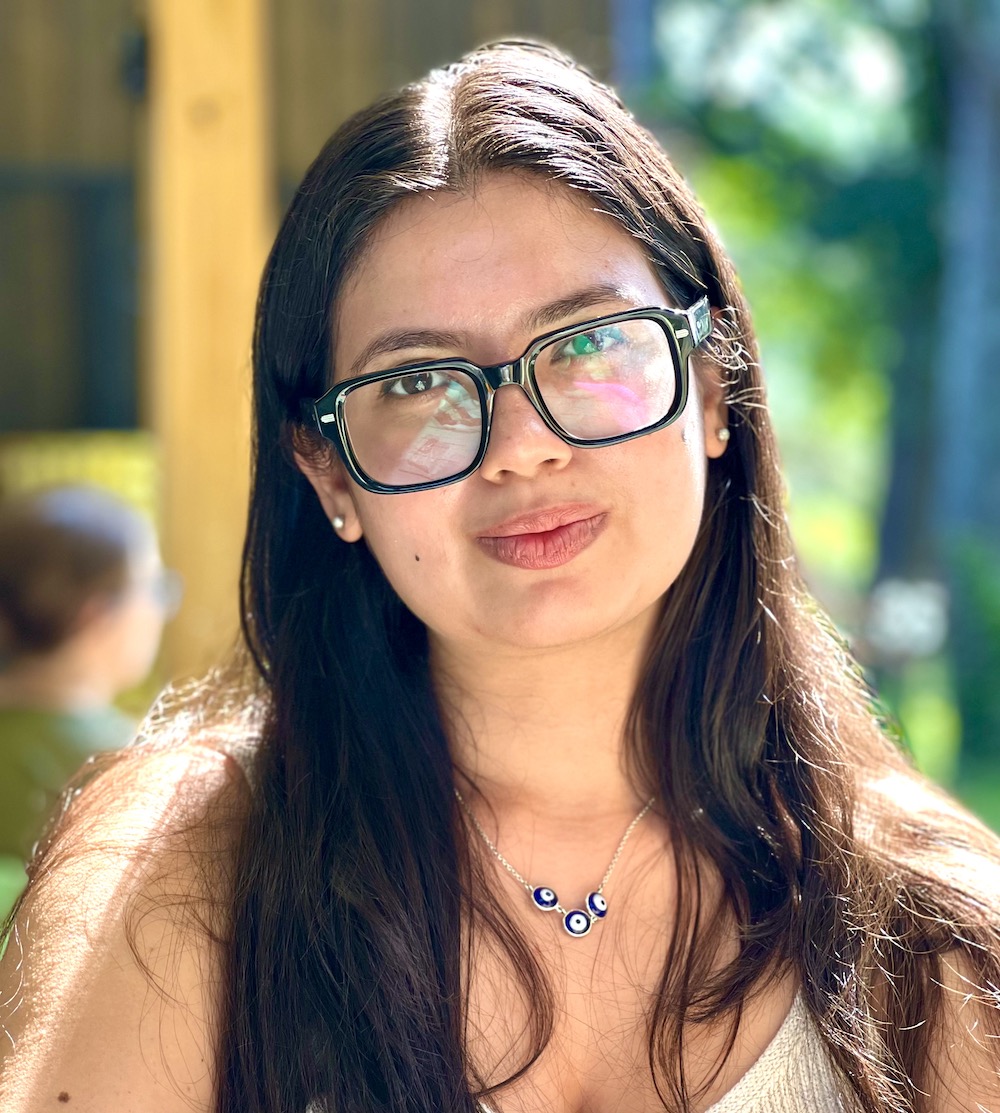
Mansi Kumar is a PhD candidate in the Urban Studies Institute at Georgia State University. She earned her M.Sc. in Urban and Regional Planning from Heriot-Watt University and her Bachelor of Construction Technology from CEPT University. Her doctoral dissertation examines the spatial (im)mobility of women beauty professionals working with digital platforms in Mumbai. It investigates how platform regulations, socio-cultural norms, and urban infrastructure shape their everyday movement through the city, while also highlighting the forms of agency women exercise within these constraints. Her research builds on feminist and urban scholarship to examine the complex relationship between spatial (im)mobility and gendered labor in fast-evolving urban environments.
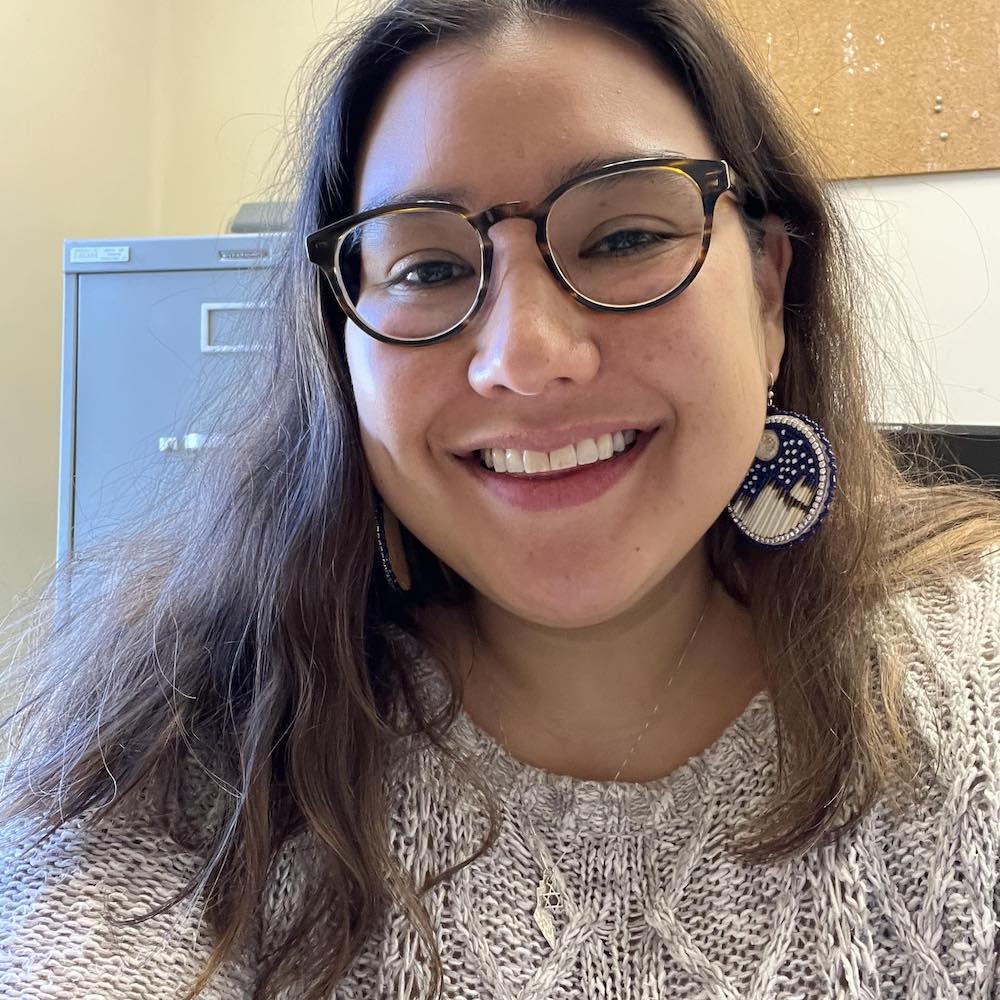
Emily McDonnell
Emily McDonnell is a proud citizen of the Navajo Nation. She currently lives in North Carolina where she is a 5th year PhD candidate in American Studies with a concentration in American Indian/Indigenous Studies at UNC Chapel Hill. Her dissertation, “ReMapping a Monument: Identity, Landscape, and Culture in Monument Valley” explores the iconic landscape through the perspectives of residents and cultural workers in the area. Her dissertation is heavily informed by her lived experience growing up on the Navajo reservation, as well as her encounters with stereotypes about Native people that are manufactured by the film and tourism industry. As a passionate storyteller, she intends to work in the cultural heritage sector as a researcher, consultant, and advocate for culturally responsive tourism led by Native communities. Emily also holds a bachelor’s degree in Literacy, Learning, and Leadership with a minor in American Indian Studies from the University of Arizona, and master’s degree in Public Administration (MPA) from Arizona State University.
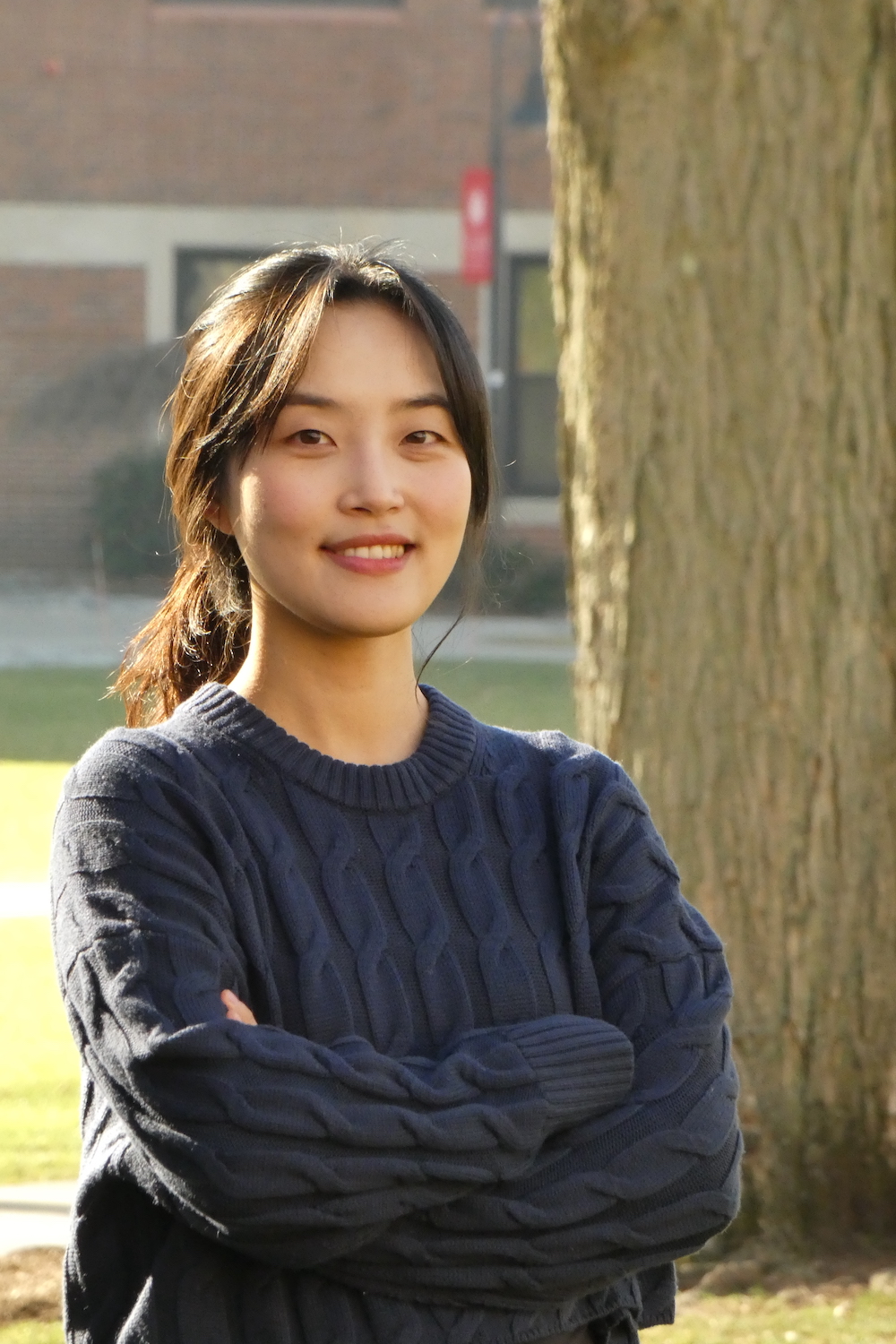
Jewon Ryu
Jewon Ryu is a Ph.D. candidate in the Graduate School of Geography at Clark University. Her work explores the intersection of Urban Geography, Political Ecology of Energy, and Transition Studies, focusing on the social and cultural dimensions of nature, energy, and technological transition. Her dissertation, tentatively titled “Perceptions and Benefits of Post-Construction offshore wind farms in Cape Cod, MA, USA, and Jeju Island, South Korea” investigates how different models of community benefits—corporate-led versus NGO-driven—shape the evolving social acceptance of offshore wind farms. By analyzing these contrasting governance structures, she examines how capital-intensive energy transitions both reinforce and challenge existing patterns of commodification, enclosure, and local participation. Supported by the Evelyn L. Pruitt fellowships, her research contributes to broader discussions on how renewable energy development projects can align more closely with democratic governance through benefit-sharing practices.
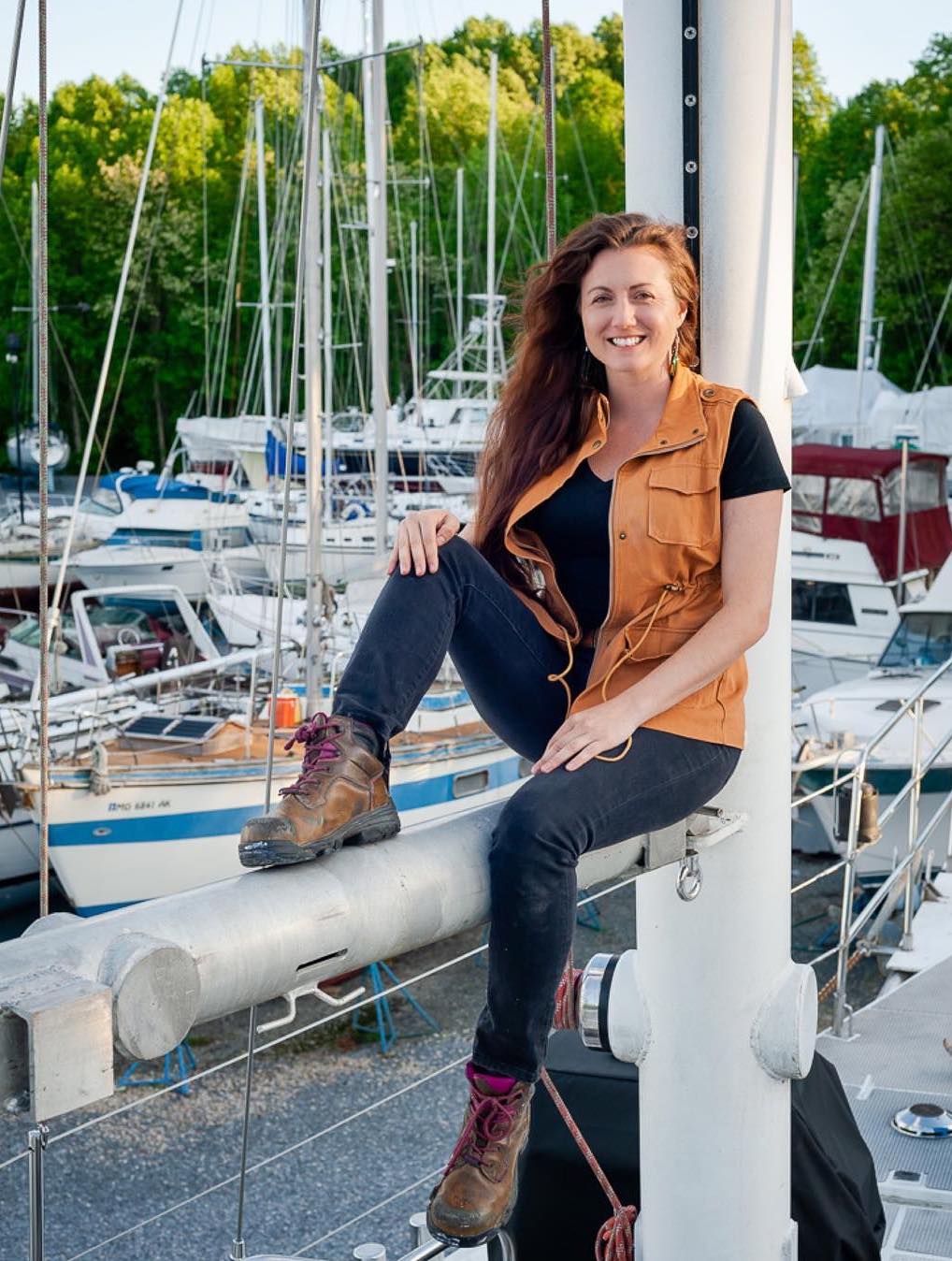
Nicole Trenholm
Nicole Trenholm, is an oceanographer, sailing her non-profit's (Ocean Research Project) science schooner, the SRV Marie Tharp to investigate climate change cause and effects on the coastal glaciated ecosystem of the Arctic. After a decade of polar campaigns and bearer of the SWG flag, she is at the tail end of her doctoral research study and will address the role coastal glacial fjords and nearshore regions play as a natural carbon sink. Nicole will return from leading a summer campaign this Fall to prepare her field geochemical and physical ocean observations to compare then make suggestions on improvements of an air-sea carbon flux model product (ECCO-DARWIN). She will conduct this assessment in early 2026 during an in-residence stay at the Jet Propulsion Research lab. The Arctic's warmth is accelerating and the glacial meltwater impacts marine ecosystem livelihood. Nicole aims to address how glacial meltwater influences ocean carbon uptake with support from her advisory at University of Maryland Center for Environmental Science, University of Santa Cruz, and Smithsonian Environmental Research Center. She enjoys science and arts collaborations and supporting like-minded missions, or joining in on outdoor recreation, beyond sailing.
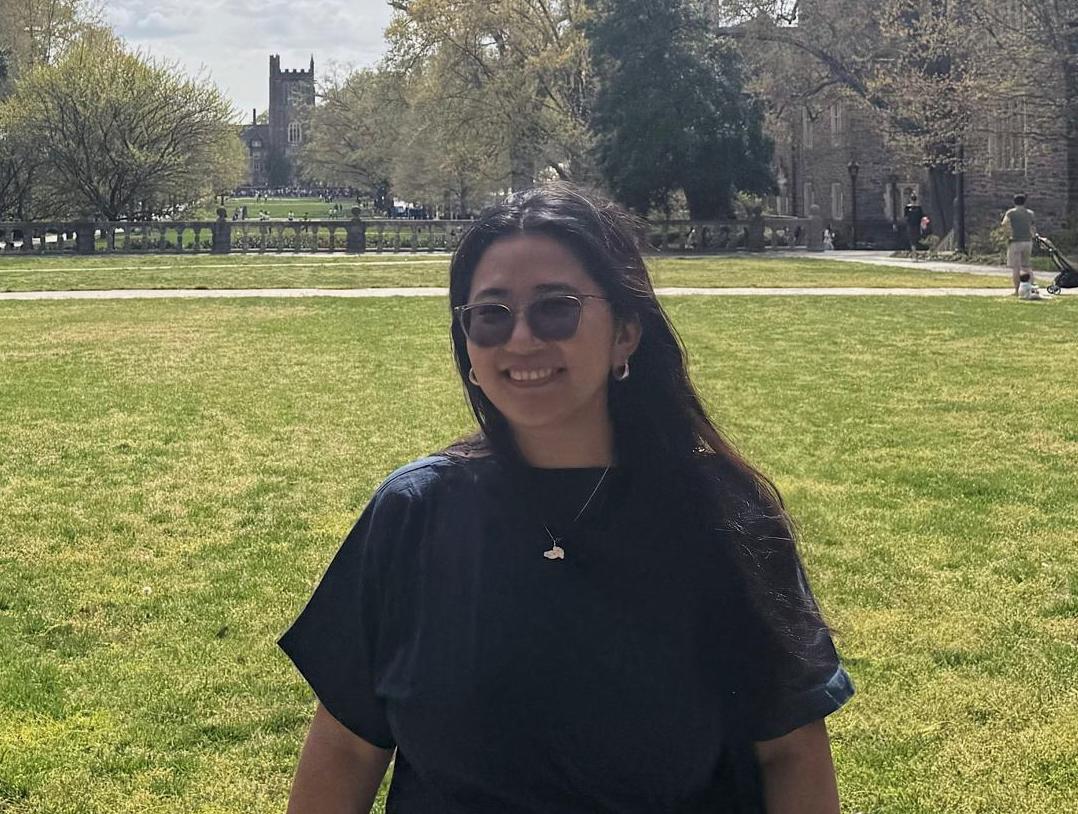
Tenzin Yangkey
Tenzin Yangkey is a PhD student in the Geography Department at the University of Colorado, Boulder. Her dissertation investigates the promises and politics of solar park development in Ladakh, India, with a focus on development aspirations and political ecologies shaping the Indo-Tibetan borderland. This dissertation builds upon her earlier research on climate change impacts among Tibetan refugee pastoralists in Changthang, Ladakh. Yangkey holds a Master’s in Geography from the University of Arizona and a Bachelor’s in Environmental Engineering from Duke University. Her work contributes to critical conversations on energy justice, Indigenous sovereignty, and environmental change in the Himalayan region.
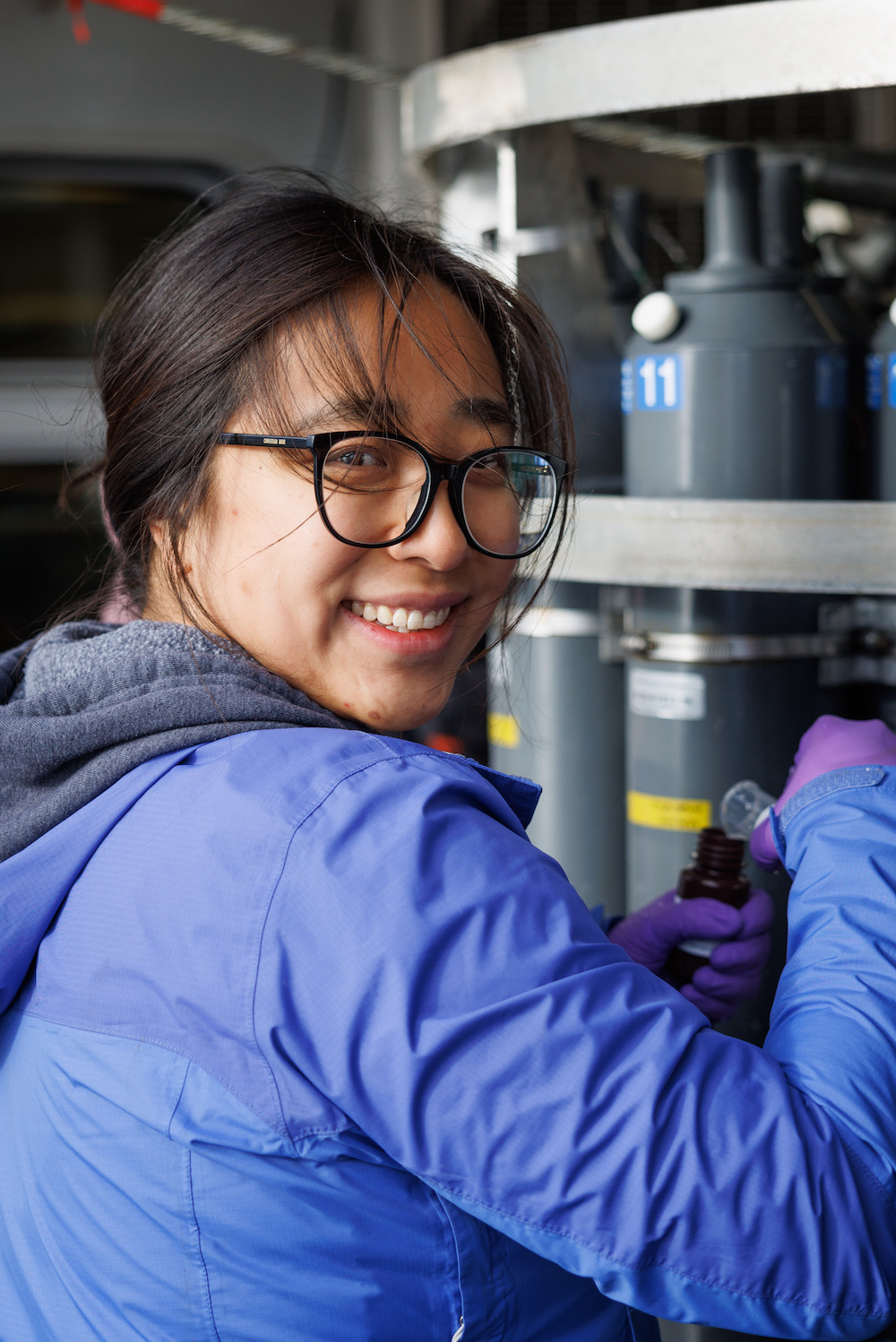
Anna Zhu
Anna Zhu is a PhD student in the Clark University Graduate School of Geography. Her research examines how phytoplankton (marine algae) are being affected by environmental changes in the Bering and Chukchi Seas. She works closely with the Distributed Biological Observatory (DBO) program through her advisor's Polar Science Research Laboratory. She is passionate about climate change research in the Arctic, hoping her project can contribute to a better understanding of our changing oceans. In her spare time, she enjoys running, swimming, and exploring the great outdoors.