

Nia Cambridge, Rutgers
Nia's research looks at how small island nations like The Bahamas are turning to private investors and international markets to fund climate change solutions. The project focuses on two major initiatives in The Bahamas: a "blue carbon" project that sells credits for protecting oceans, and a $300 million deal that reduces the country's national debt in exchange for marine conservation. By combining community interviews, advanced map-making, and digital storytelling, her study explores how the ocean is measured and turned into a financial asset. It maps out how these financial deals change local fishing rules and impact coastal communities. The project also highlights the voices and traditional environmental knowledge of Afro-Bahamian communities. Ultimately, this work shows the real-world impact of global money on local lives, pushing for fairer ways to manage and protect our oceans.
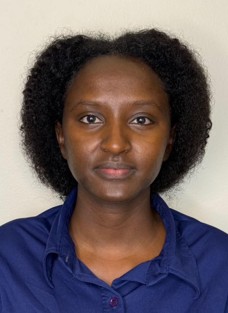
Winnie Changwony, Kent State
Winnie’s research explores the political-ecology of sustainability transitions within contested bio-cultural landscapes. Focusing on Kenya’s Lake Turkana Wind Power Project, Africa’s largest wind farm, it examines the conflicts that emerge when green energy infrastructure overlaps with community-led conservation models. While both initiatives are anchored in global environmental frameworks, their uncoordinated implementation on the ground can undermine the very sustainability goals they serve. Utilizing a qualitative study design, this work interrogates how local institutions adapt to industrial development, how competing land use priorities are negotiated, and what frameworks can better integrate overlapping green transitions without compromising local bio-cultural rights.

Nooreen Fatima, Rutgers
Focusing on Delhi’s Savda Ghevra Resettlement colony, “Home-making is City-making” explores how women assemble infrastructure in the urban peripheries. It argues that city-making is deeply intertwined with home-making, and neoliberal space cannot be understood without women’s struggles for domesticity. Using an intersectional feminist lens and immersive graphic ethnography, this research presents ordinary women's everyday experiences of producing infrastructure. Following 42 women across 13 residential blocks, Nooreen's study demonstrates that these women act as the true architects, engineers, and planners. Ultimately, this work highlights critical issues of gendered dispossession, claims, and belonging across cities of the Global South.

Kristina Fillman, Oregon State
Climate change drives frequent, concurrent wildfire smoke and extreme heat events, posing severe health risks, especially to children. Kristina's dissertation investigates these compound risks across Oregon, asking: which populations and places are most vulnerable, and which interventions effectively reduce harm? Using a disaster geography framework that integrates spatial analysis, epidemiological methods, and community-engaged research, the study proceeds in three parts. First, a literature review reveals how isolating disciplines overlooks children's unique vulnerabilities. Second, epidemiological analyses of hospital records identify demographic and geographic subgroups facing disproportionate respiratory risks. Third, a mixed-methods evaluation investigates Oregon’s air filter and AC distribution programs, uncovering barriers like housing quality and rental restrictions. This work provides actionable guidance to protect vulnerable populations under climate change.

Aliya Jamil, Oregon State
The coastal ocean off the western United States supports a highly productive ecosystem driven by seasonal nutrient-rich upwelling. The boundaries of these upwelled waters, known as fronts, form critical hotspots for biodiversity and carbon export. However, how climate change shifts these fronts and impacts marine life remains poorly understood. Using high-frequency radar and ship-based sampling, Aliya''s research investigates how frontal variability structures phytoplankton communities at the base of the food web. By mapping phytoplankton cell sizes across fronts, this work links fine-scale community shifts with large-scale carbon export. This regional comparison ultimately clarifies how climate-driven physical changes alter marine ecosystem productivity.
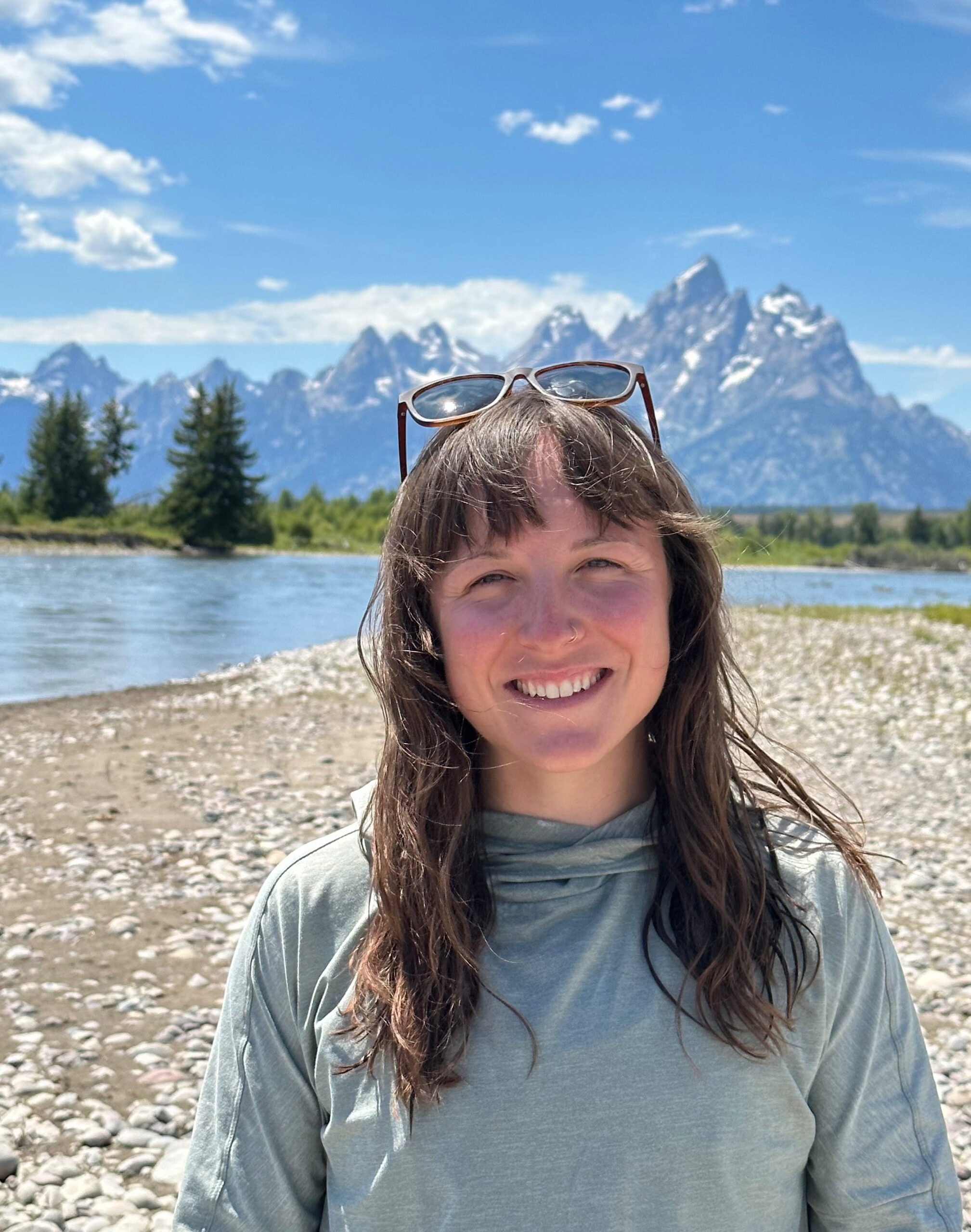
Taylor Johaneman, Colorado
Rivers and floodplains are no longer viewed merely as passive carbon pipelines; recent discoveries reveal they are critical storage sites for organic carbon (OC). However, the specific environmental processes and human influences driving this storage remain poorly understood. Taylor's dissertation addresses this gap using field sampling, remote sensing, and statistical analyses. Chapter 1 evaluates how hydrogeomorphic processes, riparian vegetation, and sediment pools control natural floodplain OC storage. To assess human impacts, Chapters 2 and 3 examine how storage changes following artificial levee construction and river restoration. Ultimately, this research refines global carbon models and informs sustainable natural resource management decisions.

Andrea Lara-Garcia, Berkeley
Andrea's research looks at how ranchers and anti-military activists in Arizona and Texas handle property ownership along the U.S.-Mexico border. Even though both are border states, they have very different rules and landscapes when it comes to who owns the land. In the United States, owning land automatically drags everyday people and local towns into big political debates about immigration. This happens because landowners can choose who to lock out or let in, creating a messy web of control along the border where local, state, and federal authorities constantly fight for power. To understand these tensions, Andrea is spending time on the ground interviewing landowners, activists, and locals. Her dissertation examines how these different land-ownership laws reshape local politics depending on which state you are in. Ultimately, her research uncovers how private land ownership along the border influences how the international boundary is controlled, policed, and experienced by the people living there.
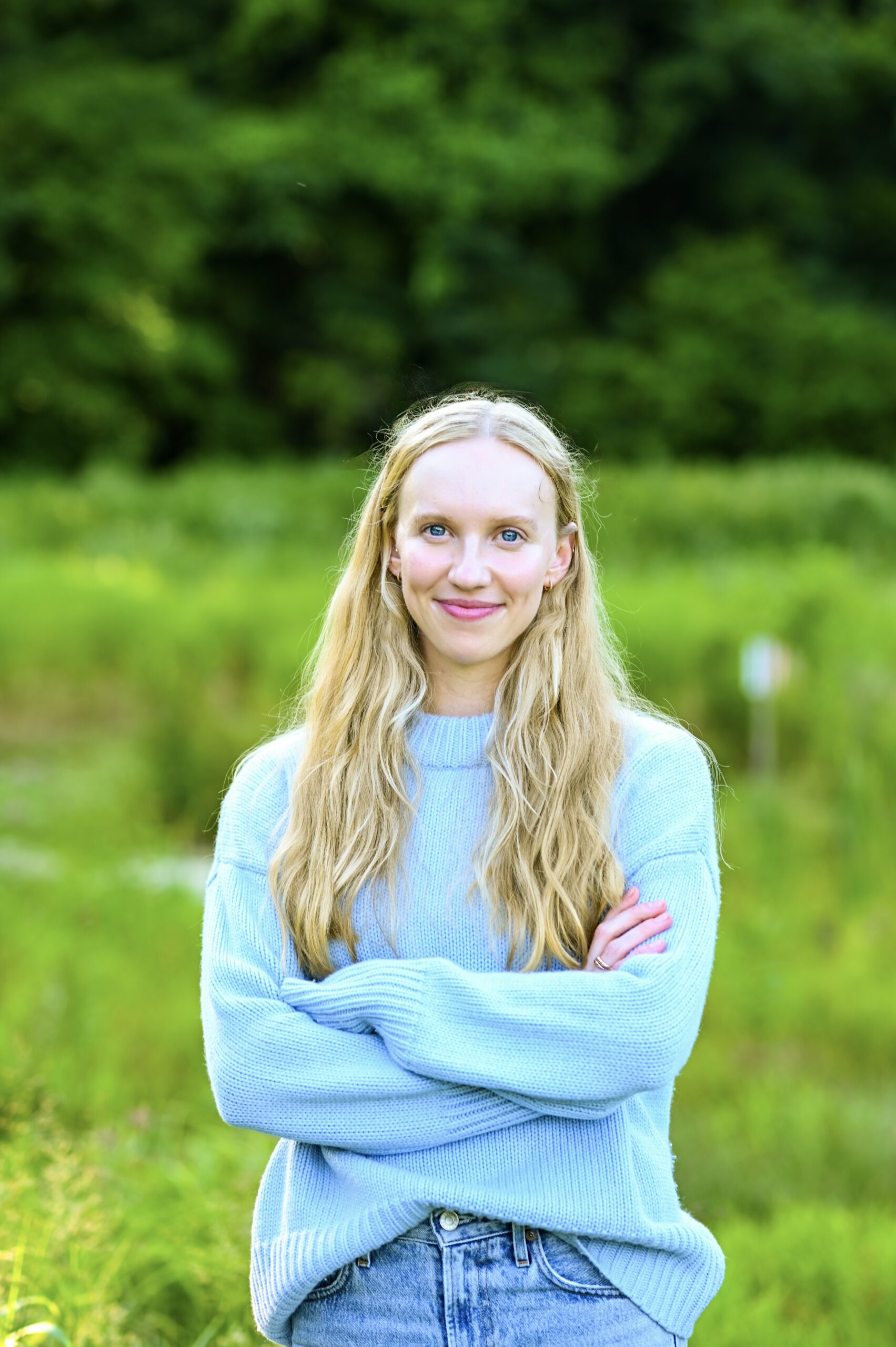
Morgan Lehman, Clark
The Arctic is changing rapidly, with thawing permafrost and melting sea ice flooding coastal waters with light-absorbing dissolved organic matter (CDOM). This CDOM mimics the optical signature of phytoplankton, making both variables notoriously difficult to monitor via standard satellite imagery. Morgan's dissertation addresses three critical oceanographic gaps in the Bering and Chukchi Seas. First, it corrects failing satellite CDOM algorithms to quantify how organic matter restricts light availability for marine life. Second, it tests whether hyperspectral satellite data can resolve complex phytoplankton community structures despite heavy cloud cover. Finally, it introduces the first deep-learning foundation models to polar marine environments, pioneering advanced machine-learning tools for predictive Arctic climate modeling.
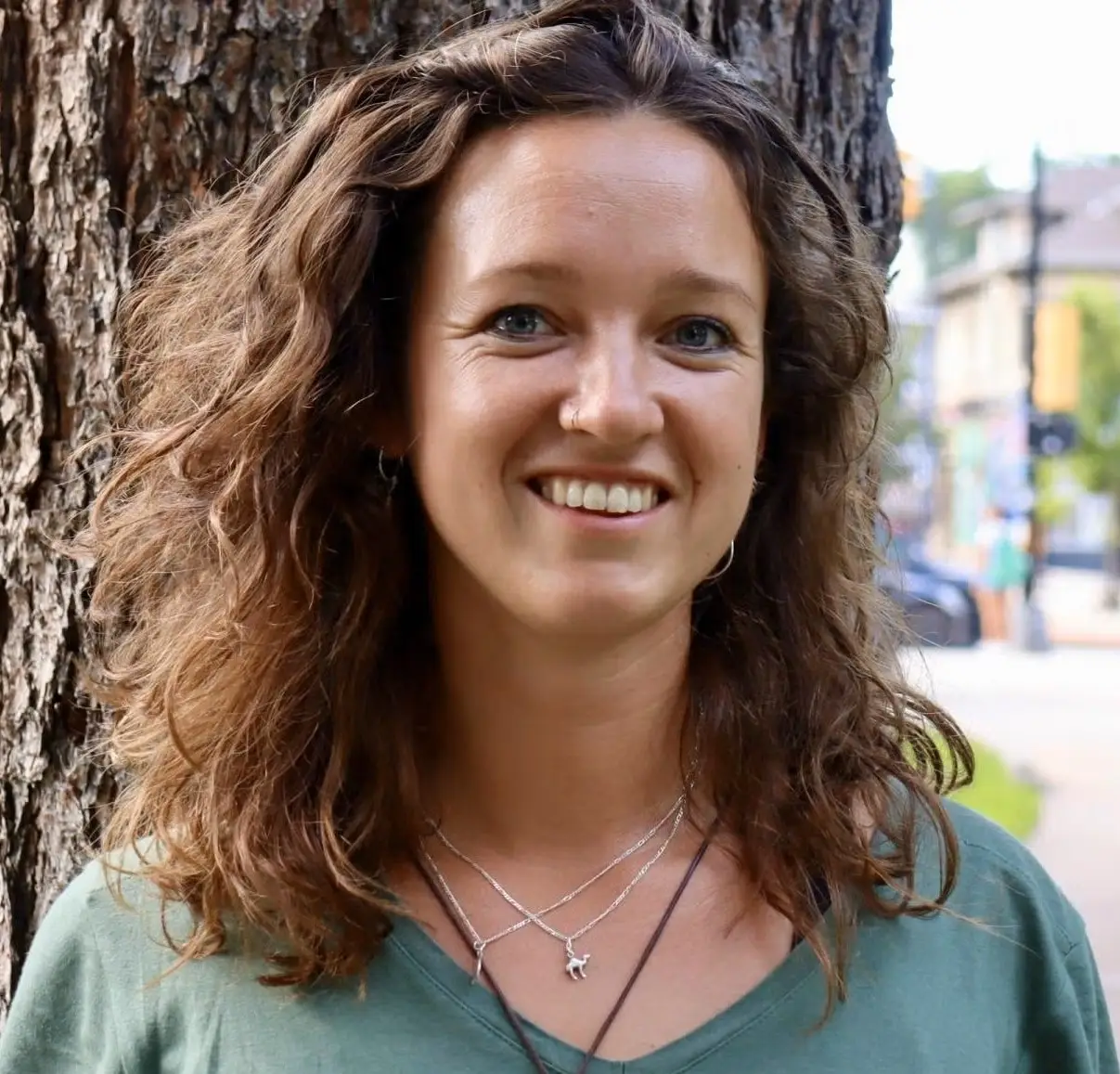
Esmee Mulder, Colorado
For generations, the indigenous Maasai have herded livestock on their ancestral lands in Kenya and Tanzania. Today, thousands of families are being forced off these territories under the banner of "nature conservation," driven by Western scientific narratives that ignore local voices. Esmée’s PhD research fights this injustice. Her project blends generations of Maasai traditional wisdom with modern environmental science and satellite mapping tools. Co-designed with local communities and three Maasai organizations, the study bridges the gap between herders and academics. Ultimately, they will apply this combined framework to grazing lands, proving effective conservation requires respecting indigenous caretakers.
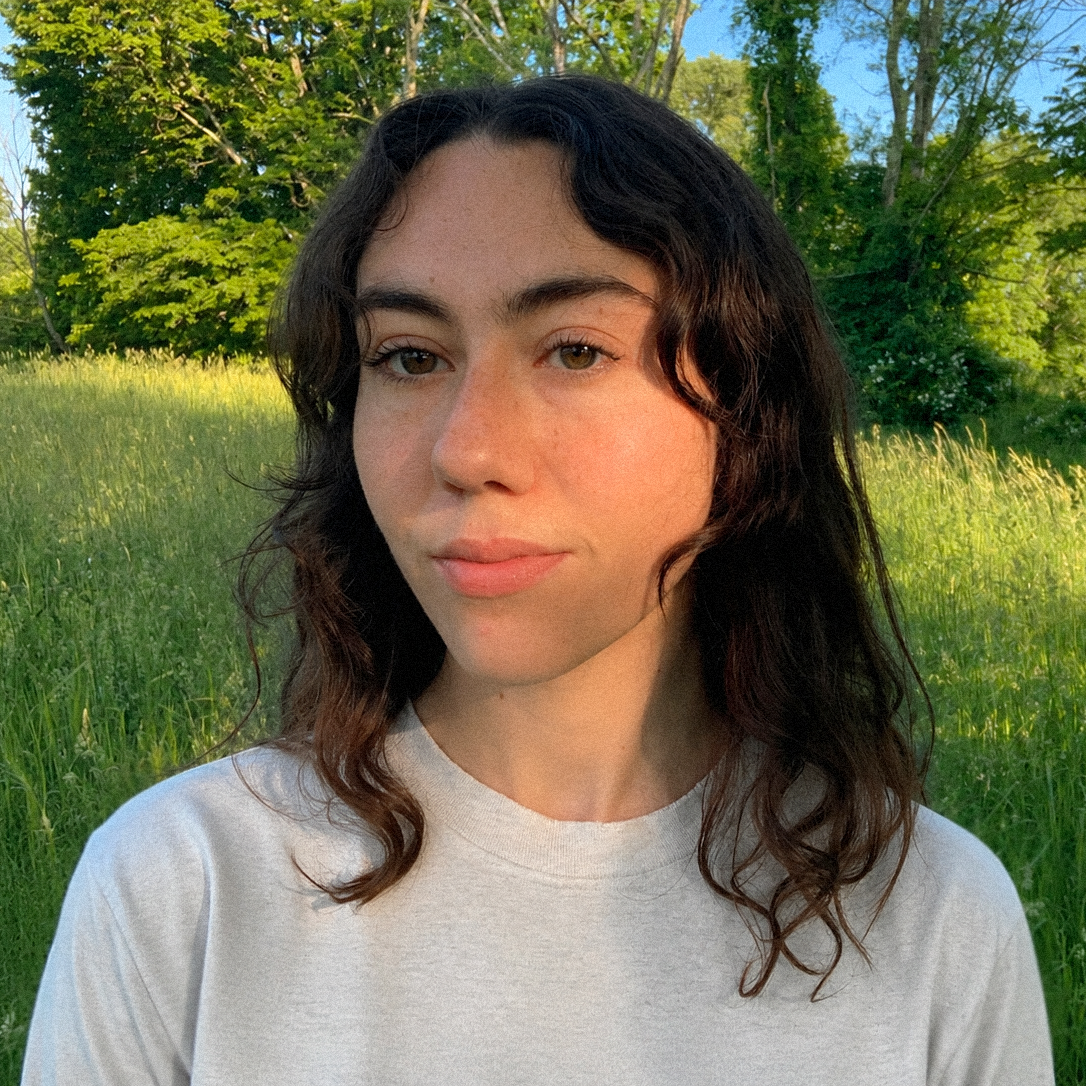
Hannah Murphy, Hunter College
Hannah's research explores the dynamics between Indigenous sovereignty, land management, and energy transition. Her project examines the possible decommissioning of the Diablo Canyon Nuclear Power Plant in Central California as an unexpected opportunity for the yak titʸu titʸu yak tiłhini Northern Chumash Tribe to regain stewardship over their ancestral homelands. Through this case study, she is interested in understanding how differing material and ideological constructions of nature shape broader decisions about both land management and energy production.
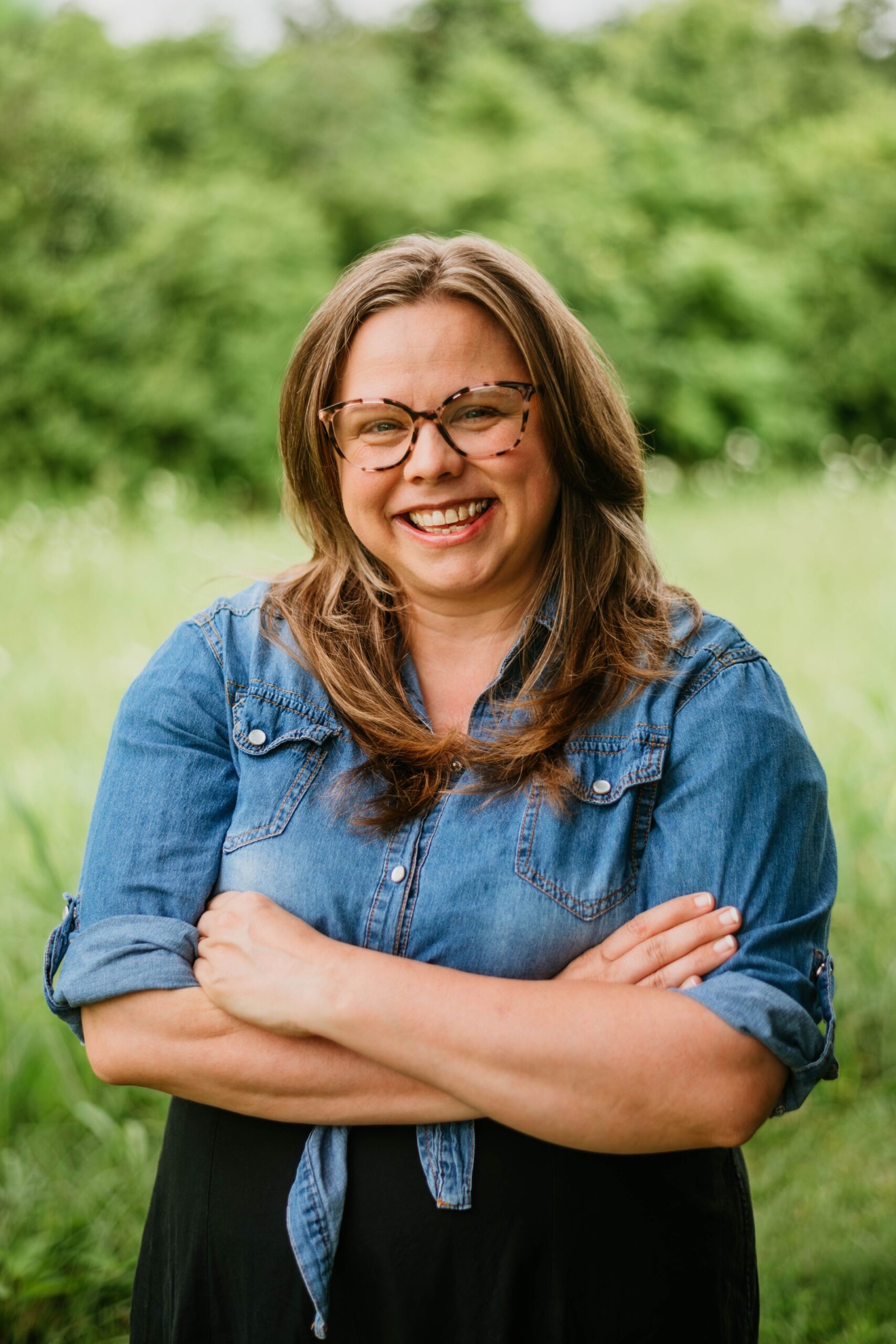
Rachel Noble-Varny, Kentucky
Rachel is exploring the ethics of care, land relations, and place-based memory. Her dissertation investigates over 12,000 unmapped private and community cemeteries in Appalachian Kentucky that elude remote sensing technologies. Combining crowdsourced data, historic land use records, and interviews with caretakers, her project analyzes what makes these burial sites legible across cultural and legal frameworks. Ultimately, this work reframes Appalachian cemetery maintenance as a form of collective care. These multi-scalar land engagements actively challenge extractive logics and conventional property relations, offering a new perspective on regional heritage.

Tin Oo, Montana
The Rohingya in Myanmar face severe violence, forced displacement, and systematic land dispossession in Rakhine State. Tin's study examines how land dispossession and property confiscation serves as a deliberate tool to the erasure of Rohingya identity. It traces the mechanisms of land dispossession carried out by both state and non-state actors since 2012. Using a mixed-methods approach, it combines semi-structured interviews, case studies, focus group discussions, and GIS-based land mapping to document patterns of dispossession and their impacts. It analyzes how Rohingya access land, and investigates the legal, bureaucratic, and coercive mechanisms of land dispossession used by state and non-state actors. Ultimately, the study explores how dispossession underpins statelessness and the systematic erasure of Rohingya identity and contributes to comparative studies on land-based ethnic cleansing worldwide.

Lianne Persaud, Hunter College
Lianne uses advanced digital mapping to uncover the hidden economic forces that help new immigrant communities take root in New York City. Her research focuses on how the Guyanese community built a lasting home in Queens between 1970 and 1990. By analyzing historical census data, she discovered a clever survival strategy: early immigrant homeowners in neighborhoods like Richmond Hill and South Ozone Park bought multi-family houses. They lived in one part of the home and rented out the rest to fellow arrivals. This rental income made expensive properties affordable, creating a stable neighborhood anchor that naturally drew more families to the area over time. Raised in Jamaica, Queens, Lianne uses her maps to show how housing shapes real lives, turning data into a powerful tool for community memory and future change.
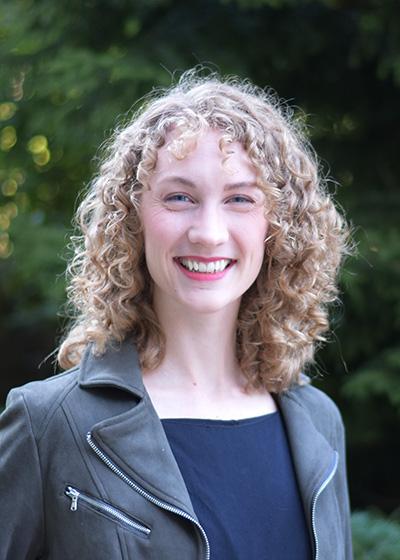
Kristin Schoenecker, Penn State
Kristin is investigating redevelopment on previously mined landscapes (PMLs) in central Pennsylvania’s coal country. Her dissertation explores how these projects are resisted and rendered, and how generations of incomplete developments shape the modern landscape. Focusing on recent “coal-to-solar” initiatives that install grid-connected solar arrays on former mines, she maps how these projects inherit a legacy of patchy reclamation, partial infrastructure, and failed land deals. By analyzing how these layered histories influence future possibilities, Kristin’s work enriches energy geographies, political-industrial ecology, and infrastructure studies surrounding energy transitions.

Sandhya Sharma, Michigan State
Increasingly frequent and severe wildfires in Nepal threaten vital forests, water supplies, and livelihoods. However, why specific forests exhibit higher vulnerability remains unclear. Focusing on Nepal’s Chure/Siwalik region, Sandhya's research examines how plant water stress, historical degradation, and governance structures influence wildfire risk, carbon loss, and recovery. Combining satellite observations with field data, the project reconstructs 40 years of forest disturbance, quantifies fire-driven carbon emissions, and evaluates how community-based management impacts fire outcomes. Integrating ecological and social perspectives, this work offers a comprehensive assessment to help policymakers design effective wildfire prevention, climate adaptation, and conservation strategies.
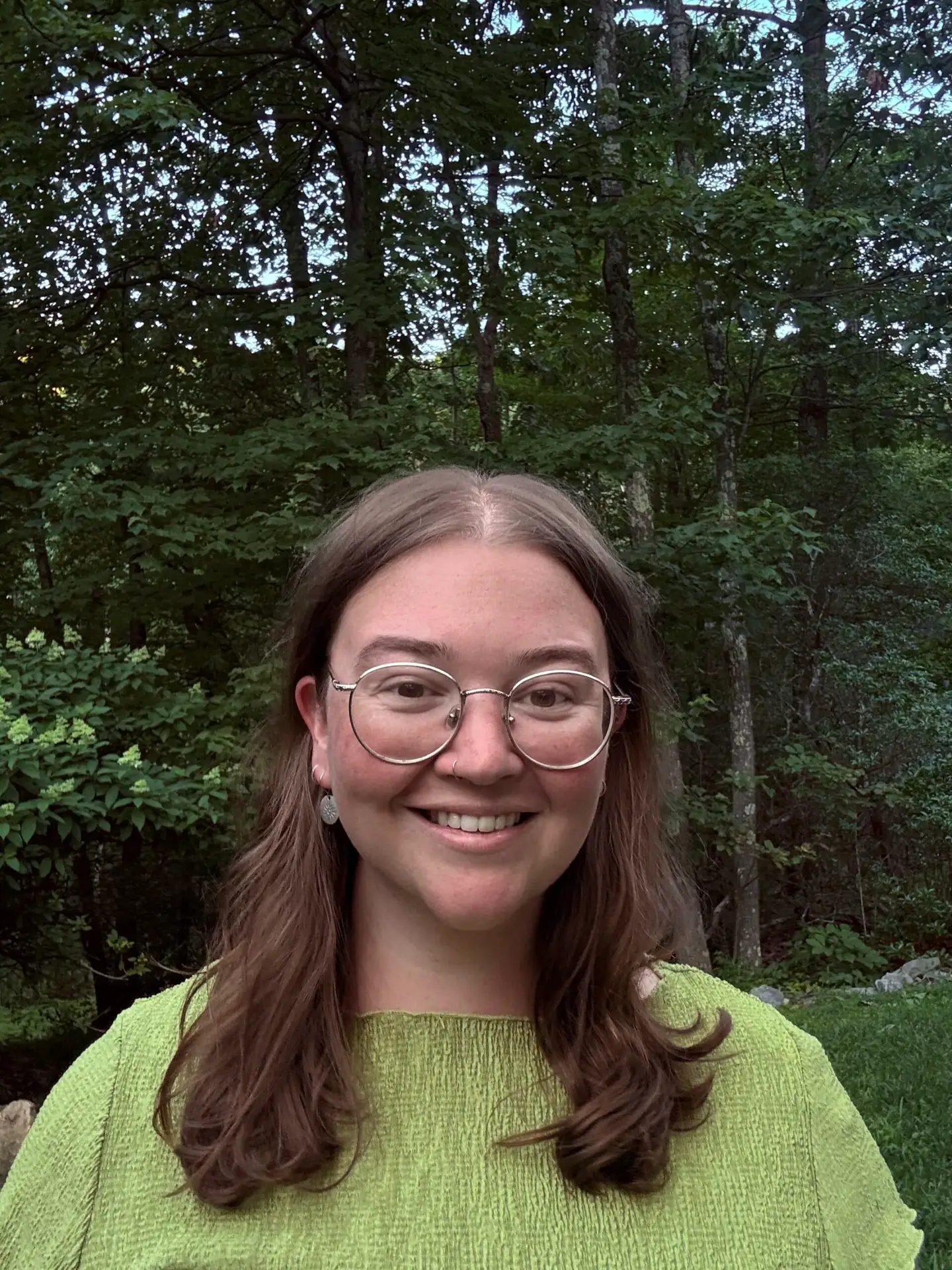
Emily Tingler, Ohio State
Emily's research examines how industrial PFAS contamination in Parkersburg, West Virginia, becomes embedded in women’s bodies, daily lives, and relationships to home. Her work investigates how persistent chemical exposure produces physical health risks alongside enduring emotional, reproductive, and caregiving burdens. She analyzes how toxic harm is shaped by corporate power, state governance, gendered labor, and unequal access to support, highlighting how industrial costs shift onto households. Utilizing interviews and community collaboration, she positions women’s embodied experiences as vital empirical evidence. Ultimately, her research asks whose bodies and futures are protected, whose knowledge is valued, and what meaningful accountability, repair, and justice should look like for communities living with toxic harm.
Shivangini Singh, Texas
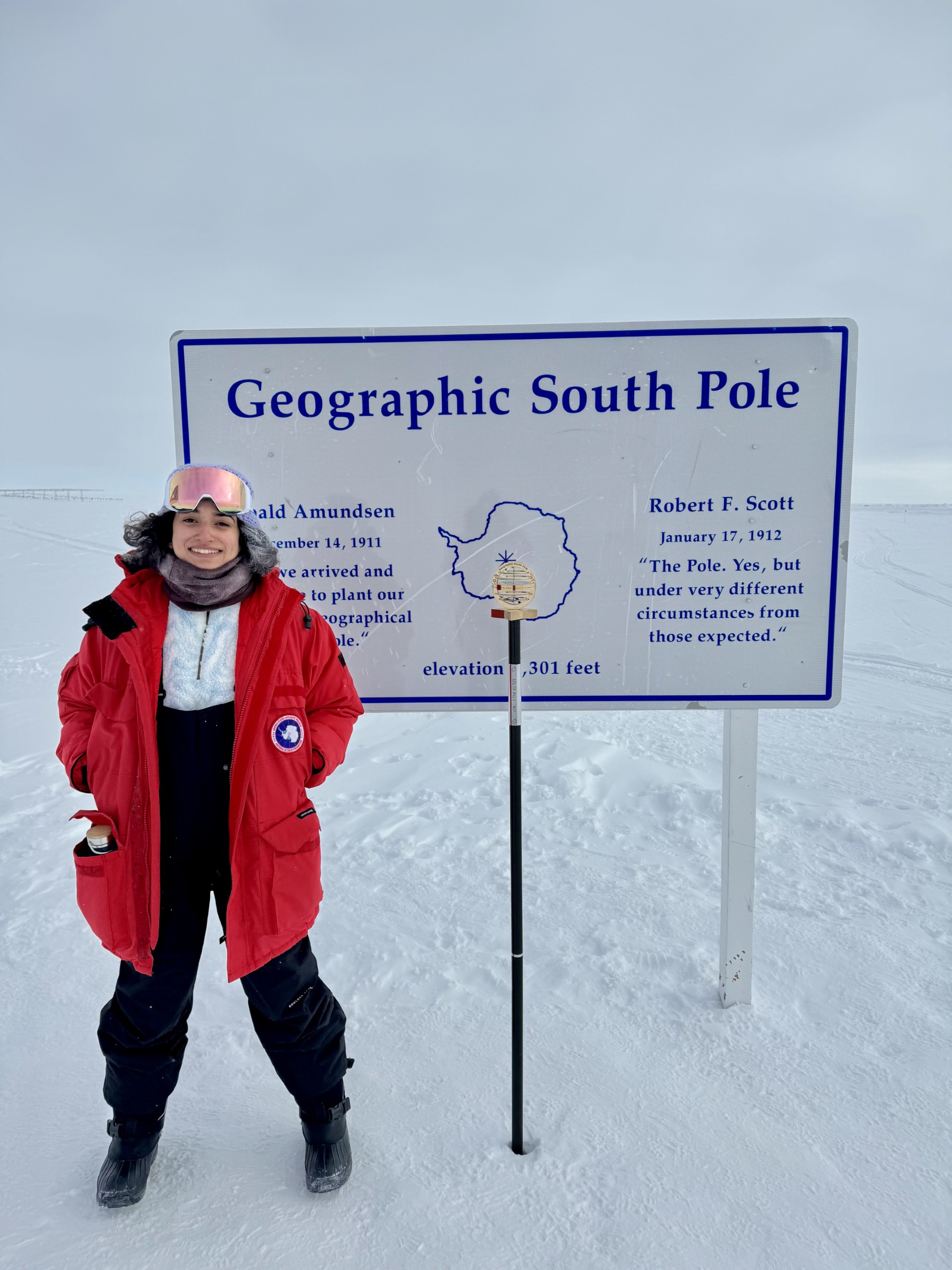
Shivangini is studying the evolution of the Antarctic Ice Sheet. Utilizing airborne radar, she reconstructs past episodes of fast-moving ice rivers in the remote South Pole region, an area posing understudied sea-level-rise risks. Her signature work links large-scale flow patterns to the microscopic alignment of ice crystals, offering a novel radar tool to measure ice deformation. These findings improve ice sheet forecasts under climate change and assist the NSF Center for OLDest Ice (COLDEX). Ultimately, Shivangini aims to extend these methods to alpine glaciers and planetary ice.
Anna Weber, Berkeley
Anna is investigating post-drought canopy responses in the Brazilian Amazon following the historic 2023–2024 El Niño. Her dissertation explores the widespread defoliation across the basin, integrating satellite imagery, drone surveys, and field validation to isolate the causes of this severe forest stress. Based at the ZF2 Ecological Field Station near Manaus, Anna collaborates closely with the Instituto Nacional de Pesquisas da Amazônia (INPA). As climate change amplifies El Niño frequency, her work builds a validated framework to track forest shifts, deepening our understanding of tropical forest resilience and its global climate impacts.